
Simple Healthy Recipes for Beginners
Discover easy-to-follow recipes that make healthy cooking accessible for everyone. From quick weeknight dinners to nutritious breakfast ideas, explore our curated collection of beginner-friendly dishes.
The information on this site is for educational purposes only and does not constitute medical advice. Always consult a qualified healthcare professional before making health decisions.
Recipe Categories
Featured Beginner Recipes
Start your healthy cooking journey with these simple, delicious recipes that are perfect for beginners. Each recipe includes step-by-step instructions and common ingredient substitutions.
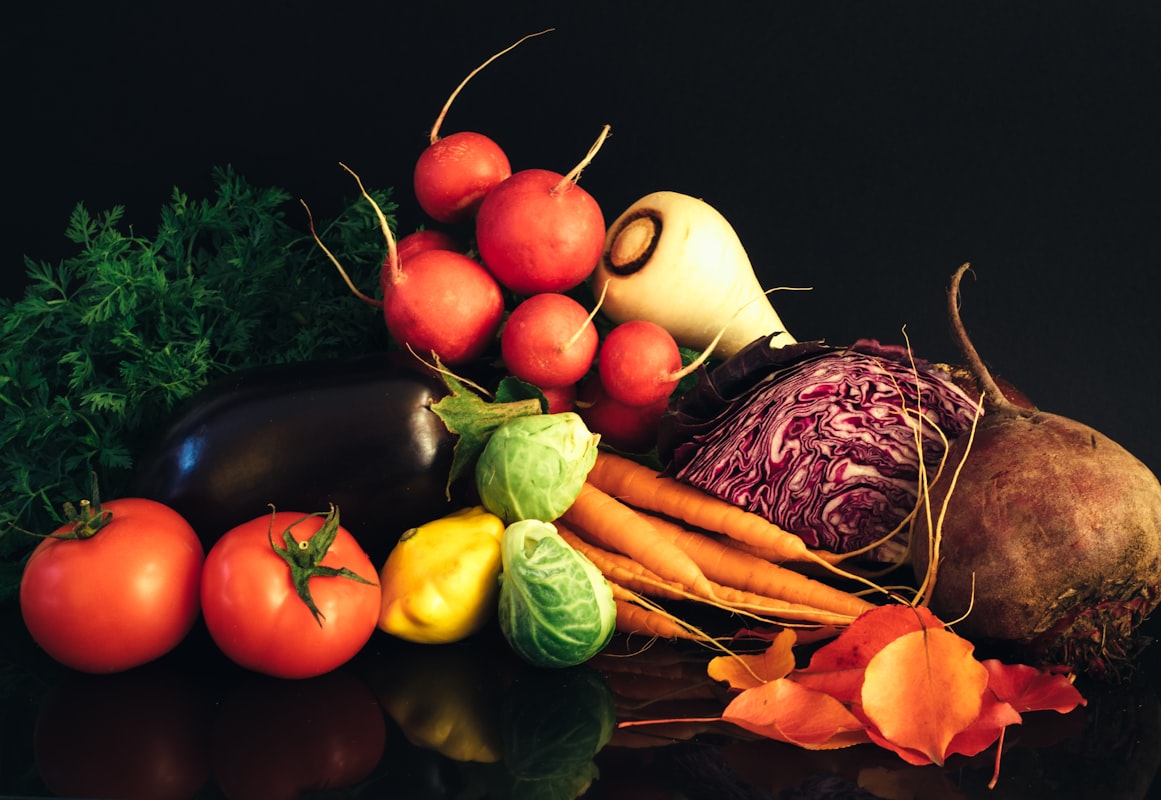
Mediterranean Quinoa Salad
A refreshing and nutritious salad loaded with quinoa, fresh vegetables, and a light lemon dressing. Perfect as a main course or side dish. Takes just 20 minutes to prepare and makes great meal prep leftovers.
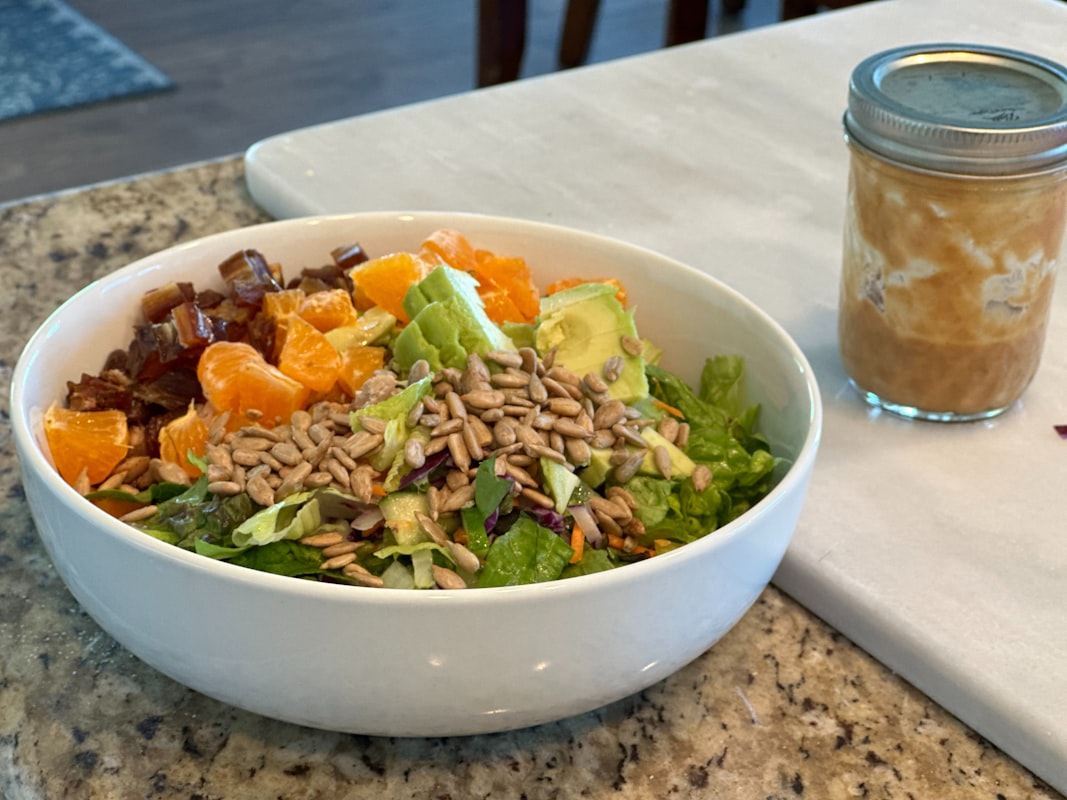
Simple Baked Chicken Breast
Learn the easiest way to cook perfectly tender chicken breast with herbs and olive oil. This versatile recipe serves as the foundation for countless healthy meals throughout the week. Ready in under 30 minutes with minimal cleanup.
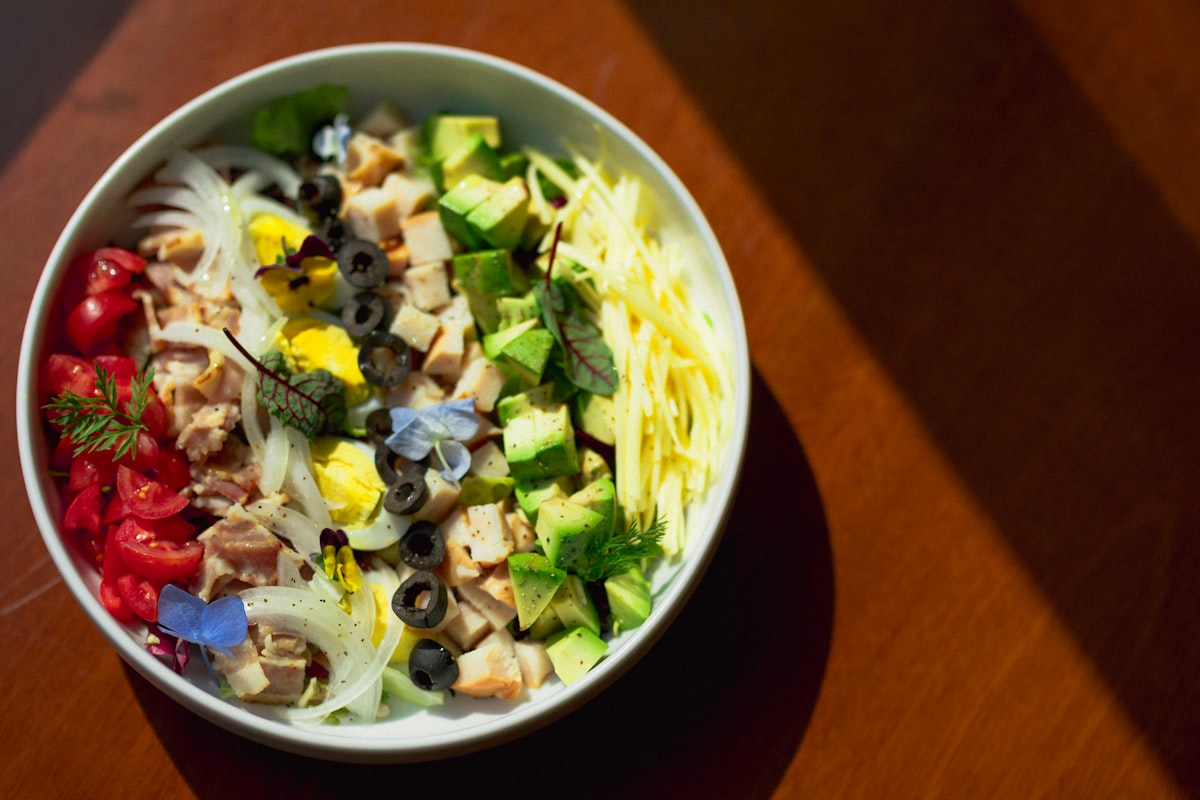
Green Smoothie Bowl
Blend spinach, banana, and yogurt into a creamy base, then top with granola and fresh fruit. A beautiful and filling breakfast that takes five minutes to prepare. Packed with vitamins and natural energy to start your day right.
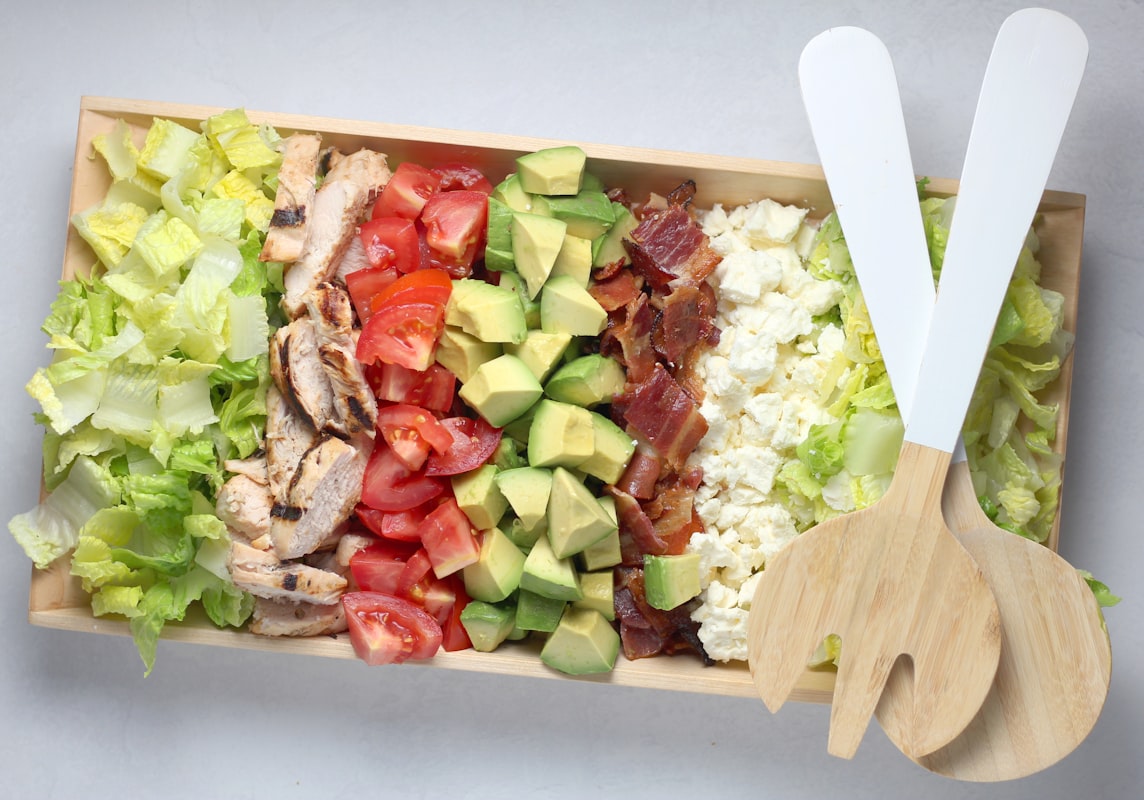
Roasted Sweet Potato & Chickpeas
Toss cubed sweet potatoes and chickpeas with spices, then roast until crispy and golden. A satisfying plant-based meal rich in fiber and complex carbohydrates. Wonderful warm or at room temperature, perfect for busy weeknights.
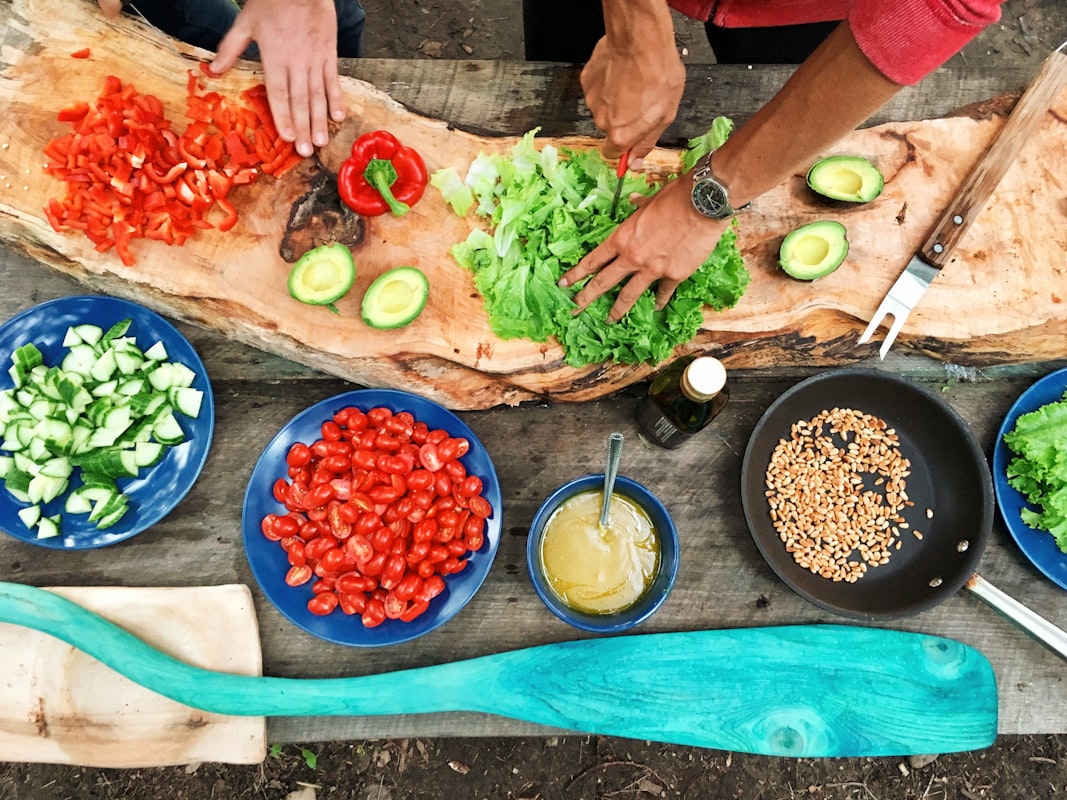
Lemon Herb Fish Fillet
Pan-sear white fish with lemon juice, garlic, and fresh herbs for a light yet satisfying dinner. Rich in omega-3 fatty acids and protein, this recipe cooks in just 15 minutes. Serve with steamed vegetables or brown rice.
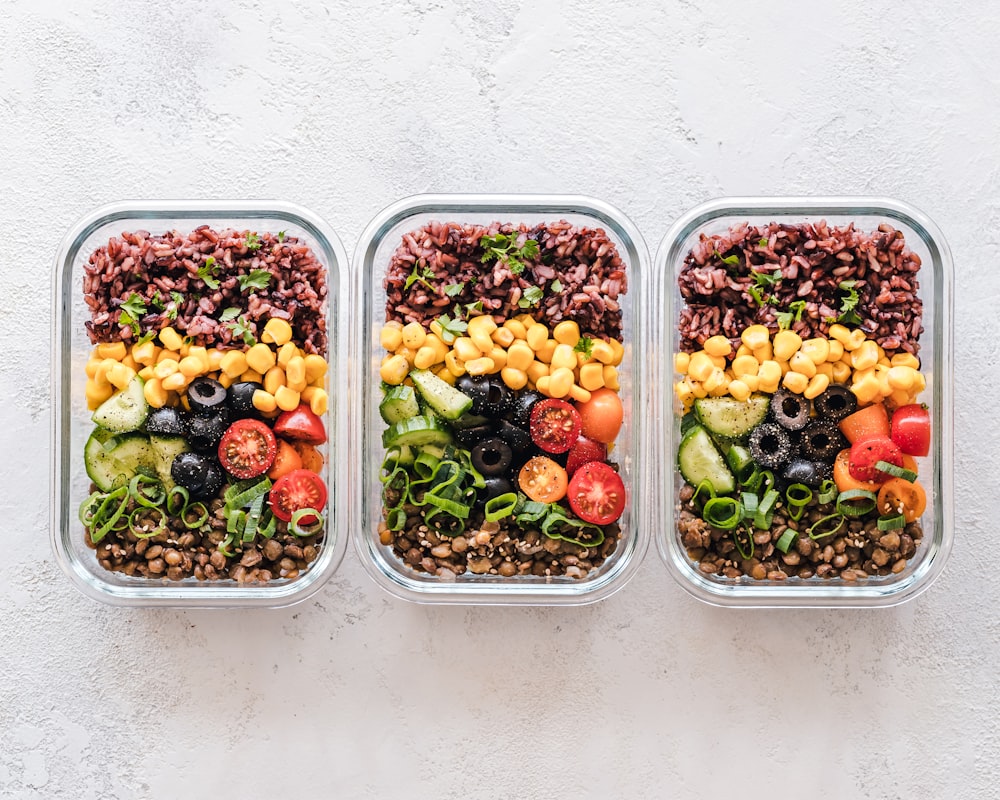
Easy Vegetable Stir-Fry
Sauté colorful bell peppers, broccoli, and snap peas in a simple sauce made with soy sauce and ginger. A quick weeknight side dish or light main course ready in 20 minutes. Customize vegetables based on what you have on hand.
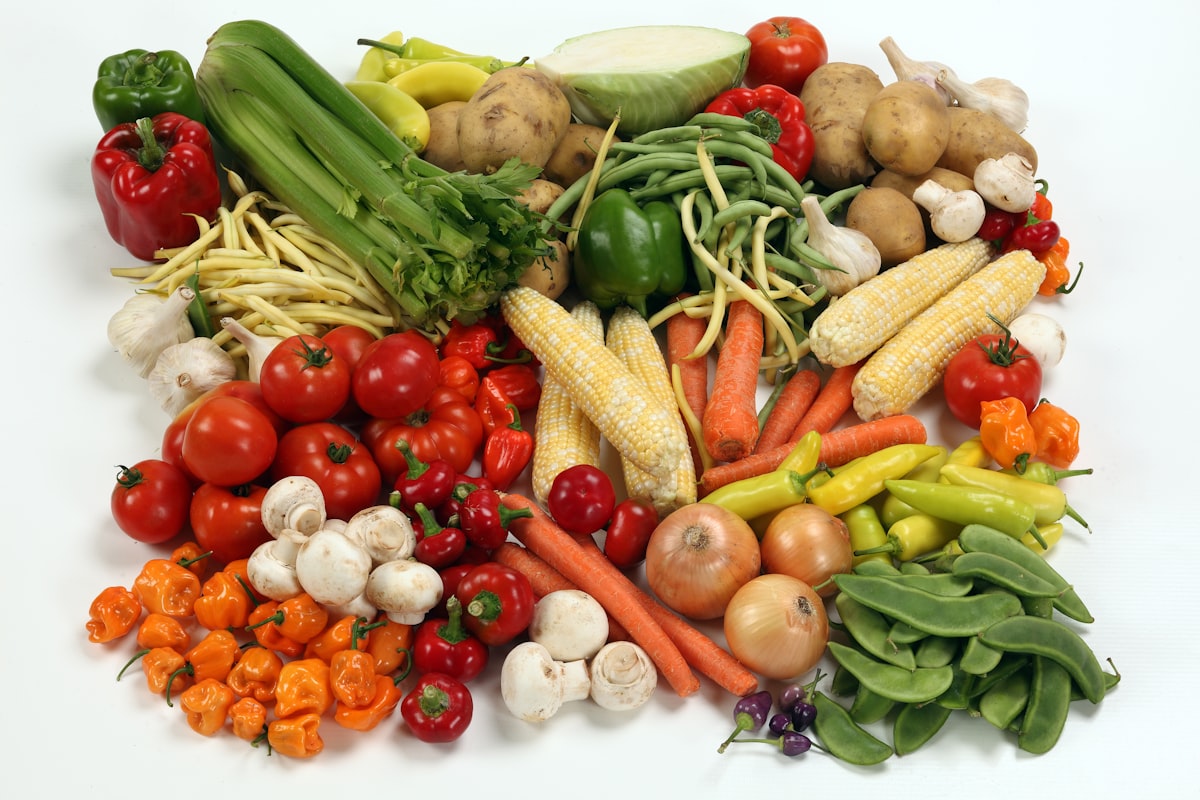
Overnight Oats Parfait
Prepare this no-cook breakfast the night before by combining oats, milk, and toppings in a jar. Wake up to a ready-to-eat meal full of fiber and sustained energy. Perfect for busy mornings or meal prep planning.
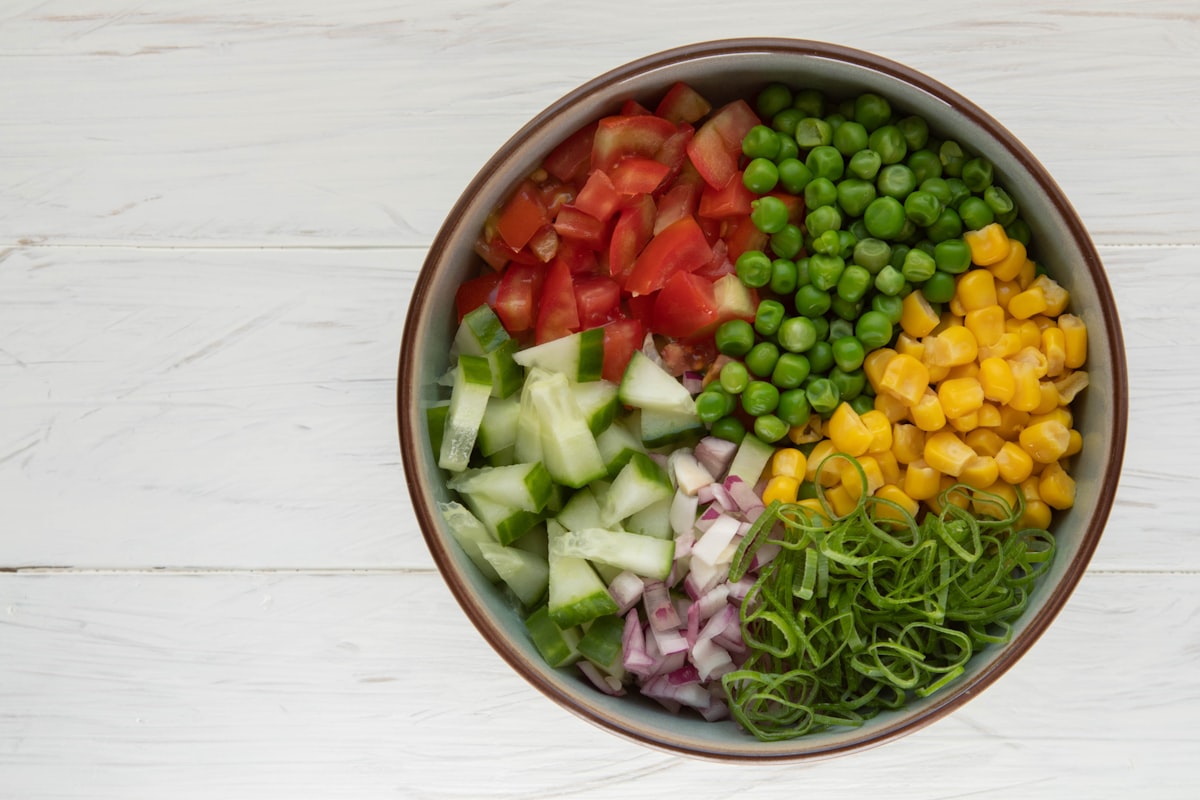
Simple Tomato Soup
Blend fresh tomatoes, garlic, and herbs into a creamy, comforting soup using just a handful of ingredients. A classic recipe that teaches fundamental cooking techniques while delivering warming comfort. Ready in 30 minutes from start to finish.
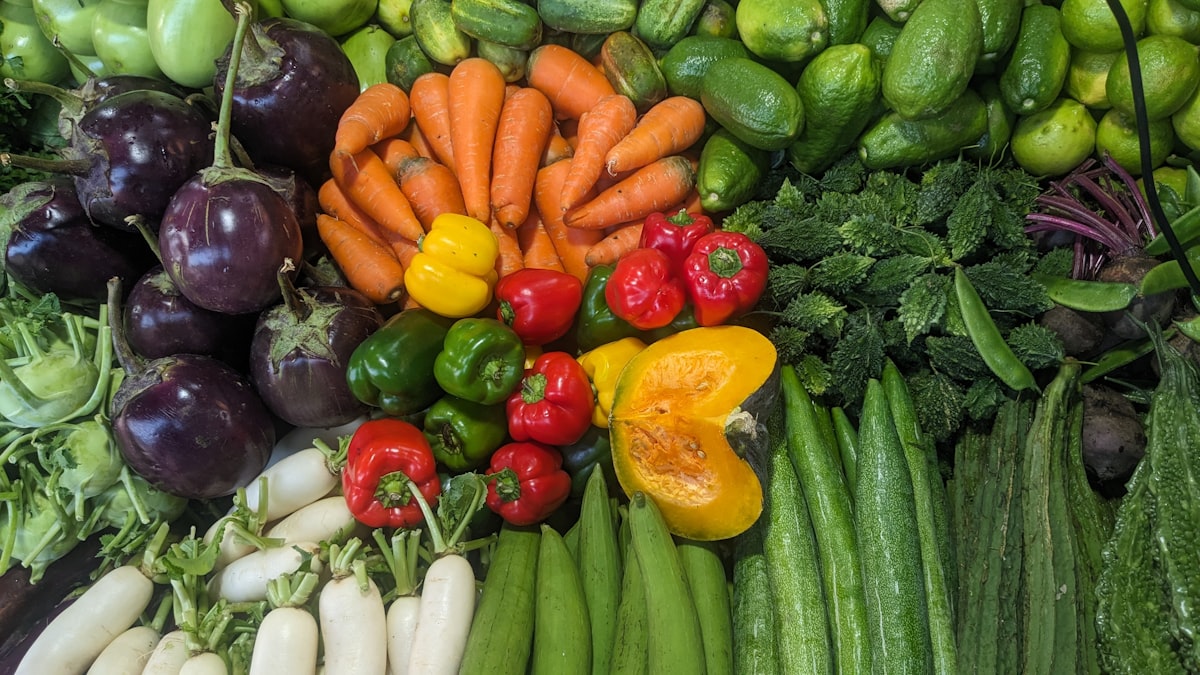
Healthy Grain Bowls
Layer cooked grains with roasted vegetables, lean protein, and a flavorful dressing to create a customizable meal bowl. Mix and match components based on your preferences and what's available. Great for batch cooking and meal planning throughout the week.
Why Simple Recipes Help You Succeed
Starting with simple, beginner-friendly recipes removes the barriers to healthy cooking. When recipes are easy to follow and use common ingredients, you build confidence in the kitchen and establish cooking as a regular habit rather than an occasional special event.
Simple recipes teach you fundamental cooking techniques like proper seasoning, heat control, and ingredient combinations. Once you master these basics, you can adapt and create variations, leading to a lifetime of enjoyable, nourishing meals that fit your lifestyle.
Minimal Ingredients
Less time shopping, planning, and prepping means you actually cook more often.
Quick Preparation
Most recipes take 30 minutes or less, fitting easily into weeknight schedules.
Clear Instructions
Step-by-step guidance removes guesswork and builds cooking confidence.
Budget-Friendly
Simple ingredients are affordable and reduce food waste from unused specialty items.
Essential Tips for Beginner Cooks
Read Recipes Completely
Before you start cooking, read the entire recipe from beginning to end. This helps you understand the process and gather all necessary ingredients and equipment beforehand.
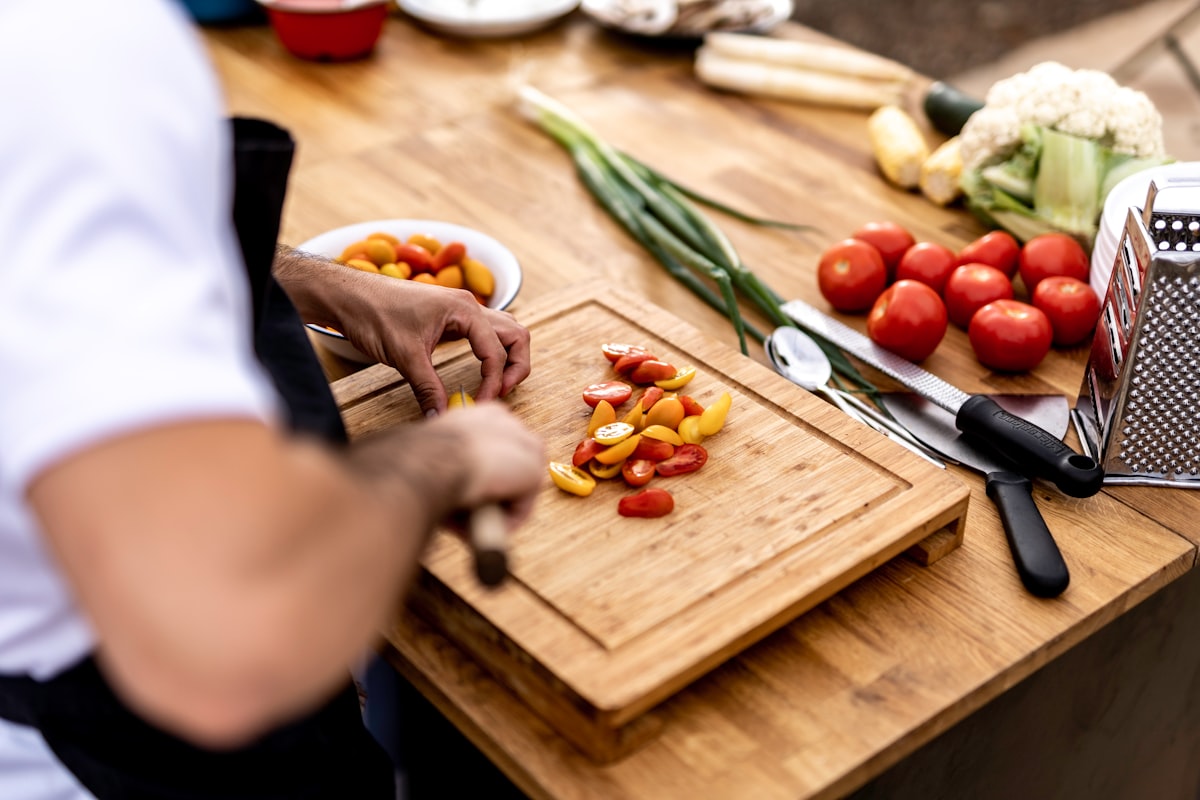
Prep Your Ingredients
Chop vegetables, measure spices, and arrange everything before cooking begins. This practice, called mise en place, makes cooking flow smoothly and prevents surprises.
Use Proper Heat
Most beginner mistakes come from using incorrect heat levels. Let pans preheat, use medium heat for most tasks, and adjust as the recipe directs.
Taste as You Cook
Adjust seasonings throughout cooking. Add salt gradually, taste small amounts, and remember you can always add more but cannot remove excessive seasoning.
Master Basic Cuts
Learning to cut vegetables uniformly helps them cook evenly. Practice dicing, slicing, and chopping properly before tackling complex recipes.
Know Your Equipment
Invest in a few quality basics: a sharp chef's knife, cutting board, measuring cups, and appropriate cookware. Good tools make cooking easier and more enjoyable.
Taste As You Cook
Regularly taste your food while preparing it. This helps you adjust seasonings, balance flavors, and catch any issues before serving. Your palate is your best guide.
What Our Community Says
Home cooks from around the world share how Fresh Cooking Path transformed their kitchen experience.
"Fresh Cooking Path made me confident in the kitchen. The tips are practical and easy to follow. I've already impressed my family with new dishes!"
Sarah M.
Home Cook
"I've learned more in a few weeks here than in years of cooking on my own. The ingredient guides are game-changers for meal prep!"
James L.
Food Enthusiast
"Finally, a resource that speaks to real home cooks! Fresh Cooking Path has become my go-to place for everyday cooking inspiration."
Maya P.
Busy Parent
Ready to Master Your Kitchen?
Start your fresh cooking journey today and transform the way you prepare meals for yourself and your loved ones.
Frequently Asked Questions
Find answers to common questions about improving your cooking skills.
Do I need expensive equipment to cook well?
No! Quality basics are more important than quantity. A sharp knife, good cookware, and essential measuring tools will take you far. Invest in a few quality pieces and upgrade gradually.
How can I improve my knife skills?
Practice is key! Start with basic cuts like dicing, slicing, and mincing. Watch tutorial videos, use proper technique, and practice regularly. A sharp knife makes a huge difference in both safety and efficiency.
What's the best way to select fresh ingredients?
Look for vibrant colors, firm texture, and pleasant aroma. Farmers' markets are excellent for seasonal produce. Learn the seasonal calendar for your region to get the freshest and most affordable ingredients year-round.
How do I manage my time in the kitchen?
Read recipes thoroughly before starting, prep all ingredients (mise en place), and organize your workspace. Understanding cooking times helps you plan components so everything finishes together.